
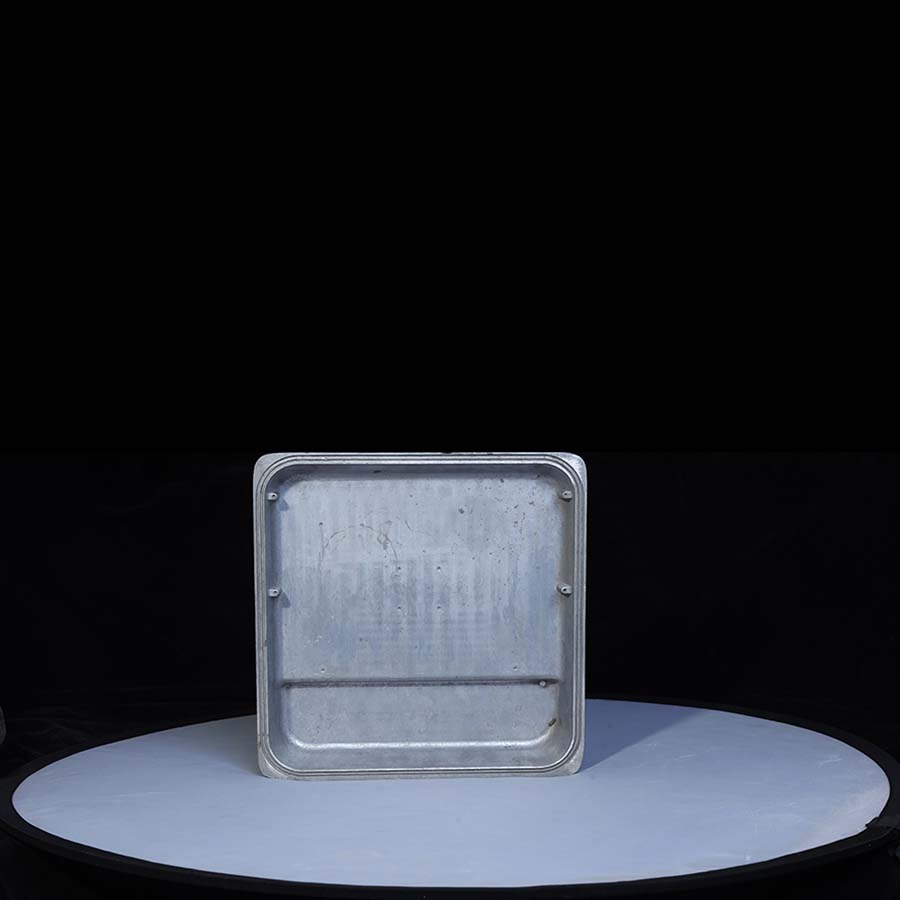
A Comprehensive Guide for Quality Aluminum Castings
A Comprehensive Guide to Quality Aluminum Castings
Aluminum castings play a crucial role in modern manufacturing, powering industries such as automotive, railways, aerospace, electrical, construction, and industrial machinery. Known for their lightweight nature, excellent strength-to-weight ratio, corrosion resistance, and design flexibility, aluminum castings are an essential component in countless applications. However, achieving high-quality aluminum castings requires the right materials, processes, quality control systems, and manufacturing expertise.
This comprehensive guide explains everything you need to know about quality aluminum castings—from casting methods and material selection to quality standards, applications, and how to choose the right aluminum casting manufacturer.
What Are Aluminum Castings?
Aluminum casting is a manufacturing process in which molten aluminum is poured or injected into a mold to create parts of specific shapes and dimensions. Once the metal solidifies, the mold is removed, leaving behind a precision-engineered aluminum component.
Aluminum castings are widely preferred because they allow complex geometries, reduce machining costs, and provide consistent performance across large production volumes.
Why Quality Matters in Aluminum Castings
Quality aluminum castings are essential for product reliability, safety, and long-term performance. Poor-quality castings can lead to defects such as porosity, cracks, inclusions, dimensional inaccuracies, and premature failure.
High-quality aluminum castings ensure:
-
Structural strength and durability
-
Dimensional accuracy and tight tolerances
-
Smooth surface finish
-
Reduced scrap and rework
-
Compliance with industry standards
-
Longer product life and lower maintenance costs
For industries like automotive, railways, and aerospace, even minor casting defects can result in major operational or safety issues. That’s why quality control is non-negotiable.
Common Aluminum Casting Processes
Different aluminum casting methods are used based on part complexity, volume, and application requirements.
1. Sand Casting
Sand casting is one of the oldest and most versatile aluminum casting processes. It is ideal for large components and low-to-medium production volumes.
Advantages:
-
Cost-effective for large parts
-
Suitable for complex shapes
-
Flexible design changes
Applications:
Machinery parts, pump housings, engine blocks, railway components
2. Die Casting
Die casting involves injecting molten aluminum into a steel mold under high pressure. This method is ideal for high-volume production with excellent surface finish.
Advantages:
-
High dimensional accuracy
-
Smooth surface finish
-
Fast production cycles
Applications:
Automotive parts, electrical enclosures, consumer products
3. Gravity Die Casting
Gravity die casting uses permanent molds and gravity to fill the cavity, producing stronger and denser castings compared to sand casting.
Advantages:
-
Improved mechanical properties
-
Better surface finish
-
Consistent quality
Applications:
Automotive components, structural parts, industrial equipment
4. Low Pressure Die Casting
This process fills the mold slowly under controlled pressure, reducing turbulence and porosity.
Advantages:
-
Minimal defects
-
High integrity castings
-
Excellent mechanical properties
Applications:
Wheels, aerospace parts, critical automotive components
Aluminum Alloys Used in Quality Castings
The choice of aluminum alloy significantly affects casting quality and performance. Common aluminum casting alloys include:
-
Al-Si alloys: Excellent castability and corrosion resistance
-
Al-Mg alloys: High strength and good weldability
-
Al-Cu alloys: Superior strength and heat resistance
Each alloy is selected based on mechanical strength, thermal properties, corrosion resistance, and end-use requirements.
Key Quality Parameters in Aluminum Castings
To ensure superior quality, manufacturers focus on several critical parameters:
1. Dimensional Accuracy
Precision molds and controlled solidification ensure components meet exact design specifications.
2. Surface Finish
High-quality castings have smooth surfaces, reducing the need for secondary machining.
3. Internal Soundness
Defect-free internal structure with minimal porosity and inclusions is essential for strength and durability.
4. Mechanical Properties
Tensile strength, hardness, and fatigue resistance must meet application-specific requirements.
Quality Control and Testing Methods
Reliable aluminum casting manufacturers implement strict quality control systems, including:
-
Chemical composition analysis
-
X-ray and radiographic testing
-
Ultrasonic testing
-
Pressure and leak testing
-
Dimensional inspection
-
Mechanical testing
These tests ensure castings meet international quality standards and customer specifications.
Applications of Quality Aluminum Castings
High-quality aluminum castings are used across diverse industries:
Automotive Industry
Engine blocks, transmission housings, brake components, suspension parts
Railway Industry
Brake systems, couplings, structural components, electrical housings
Aerospace Industry
Lightweight structural parts, brackets, housings
Electrical & Electronics
Motor housings, enclosures, heat sinks
Industrial Machinery
Pumps, compressors, valves, machine frames


Leave a Reply